founders-builders
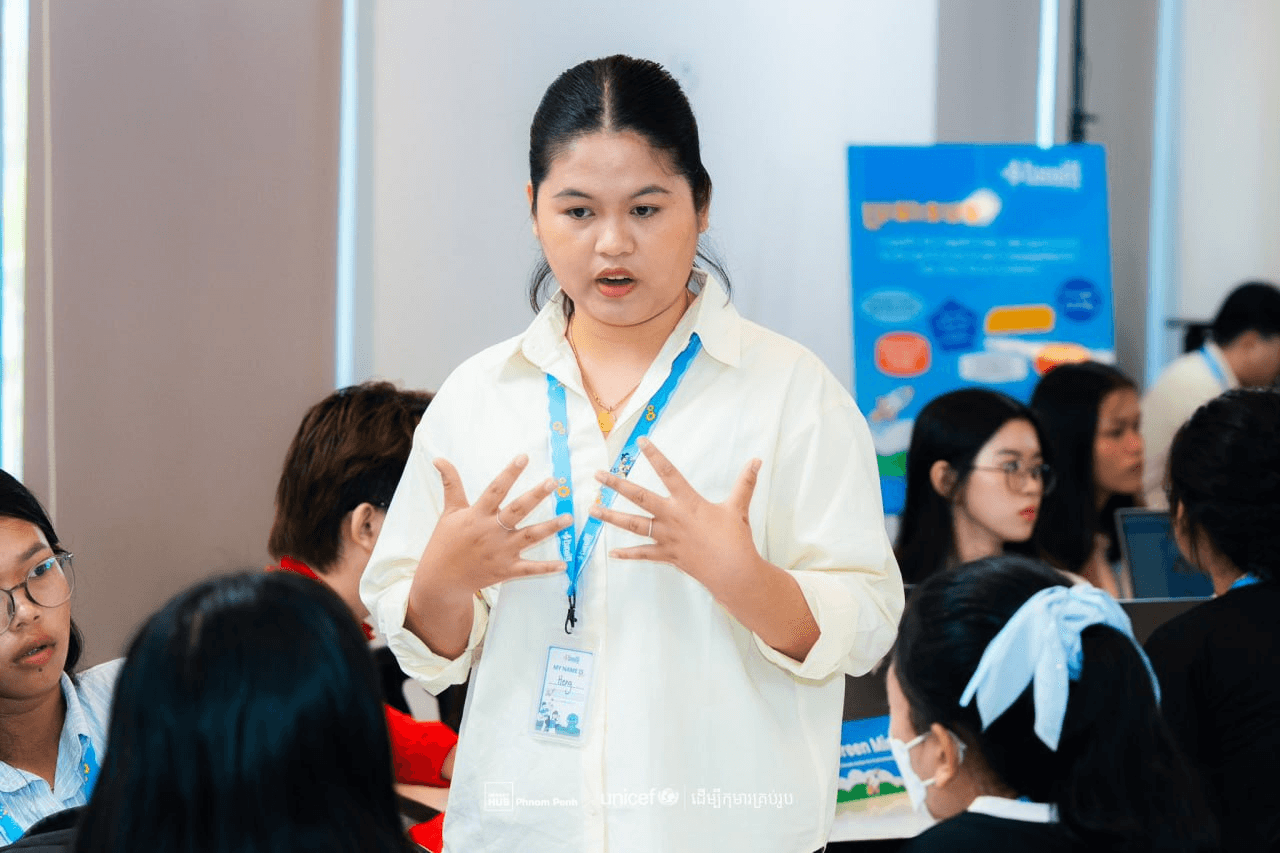
Ry Heng | Restaurant Owner & Social Enterprise Leader
By Rean Krav System · Jun 4, 2026
founders-builders

A 15-year-old girl in rural Kampong Cham, hands trembling as she touches her first laptop keyboard. The screen glows with possibility, the cursor blinks like a challenge. Around her, voices echo the same tired refrain: "Girls don't belong in tech. Don't dream too big. Focus on something more... suitable."
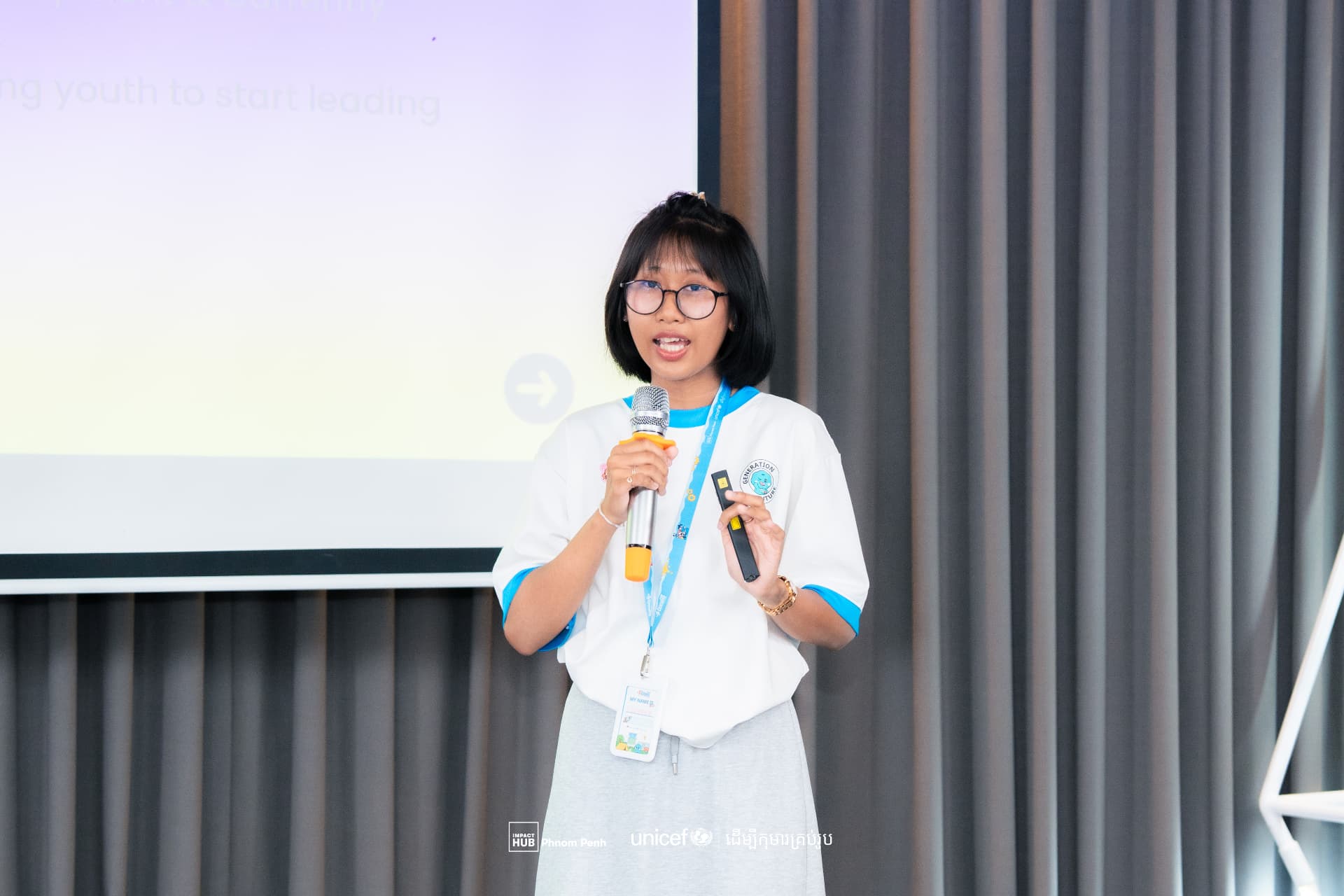
Today, at 19, Menghorng Kao has made a bold move - stepping away from her Data Science studies at CamTech University to pursue an even bigger dream. As a SHE-Can Scholar, she's preparing for US universities while working full-time and continuing to dismantle limiting beliefs brick by brick, empowering hundreds of girls to claim their space in technology. Her secret? She didn't wait for permission to lead. She just started building.
Menghorng's origin story defies the Silicon Valley mythology of the child prodigy who coded at age 5. Instead, her journey began with something more powerful: frustration and determination colliding at exactly the right moment.
Growing up in Kampong Cham province, technology felt like something that happened to other people in other places. Computers were rare. Internet connections were unreliable. And the message from nearly every direction was clear: tech careers weren't for Cambodian girls from rural provinces.
Then came Technovation - a global program bringing coding education to girls in developing countries. For Menghorng, it wasn't just a program; it was a revelation. "The first time I wrote code that actually worked, something clicked," she recalls. "I wasn't just learning a skill, I was learning that my ideas could become real solutions, that my voice could be amplified through technology."
Her first project? A mobile application tackling a problem right in her community. Not a theoretical exercise or a copy of existing apps, but something that mattered to people she knew. That's when Menghorng discovered her superpower: the ability to see technology not as an end in itself, but as a tool to solve real human problems.
Let's be honest about what Menghorng faced - because her success is even more impressive when you understand what she overcame.
The Technical Barriers: Internet connections that cut out mid-tutorial. No local tech communities she could join. Limited access to learning resources in Khmer. She learned by staying up late, replaying YouTube videos frame by frame when the connection stabilized, and teaching herself through trial, error, and sheer determination.
The Cultural Barriers: Family members who didn't understand why she spent so much time on "computer games" instead of focusing on "practical" subjects. Relatives who worried she was wasting her time on an impossible dream. Classmates who thought coding was "too hard for girls" or "not our kind of thing."
The Representation Barrier: Competition after competition where she was one of the only girls. Tech events where she had to prove her competence repeatedly. The absence of female mentors who looked like her or came from similar backgrounds.
But here's what makes Menghorng's story different: she didn't just survive these obstacles - she weaponized them into fuel for systemic change. When she couldn't find female tech mentors locally, she built relationships with international mentors online. When she felt isolated as one of few girls in competitions, she decided to change that statistic permanently.
Today, Menghorng operates at the intersection of technology, education, and social change - and she's making waves in all three areas.
STEMUNITY: Startup with Soul - Co-founding STEMUNITY wasn't about chasing startup glory. It was about creating sustainable change. When they won $10,000 in seed funding at the Bandos Digital Startup competition, Menghorng saw it as fuel for their mission: making STEM education accessible and empowering for Cambodian youth, especially girls.
Ladies in Tech: Multiplying Impact - The numbers tell part of the story: over 200 girls trained, mentored, and empowered through Ladies in Tech programs. "When we empower a girl, she empowers another," Menghorng explains. "It's not a linear process - it's exponential." Her mentees are now mentoring others, creating a ripple effect across Cambodia's emerging tech ecosystem.
Global Voice, Local Impact - Speaking at UN CSW69 POWER4Girls as a member of UNICEF's Global Girl Leaders Advisory Group, Menghorng brings Cambodian girls' voices to international policy conversations. She's not just sharing her story - she's advocating for systemic changes that would support more girls in STEM across Southeast Asia.
What sets Menghorng apart isn't just her technical prowess - it's her fundamentally different approach to success and leadership. She calls it "building elevators, not climbing ladders." While ladder-climbers compete for limited spots at the top, elevator-builders expand capacity for everyone. Her programs don't create competition among girls - they create collaboration, peer support, and collective advancement.
Her current focus is preparing for US universities as a SHE-Can Scholar while maintaining her full-time work and community commitments. Fall 2026 will mark her next chapter - pursuing advanced studies in the US, where she plans to deepen her technical expertise while building international networks that will benefit Cambodia's tech ecosystem.
On the technical front, she's diving deep into AI applications for Cambodia's agricultural sector - because 70% of Cambodians work in agriculture, and most tech innovation ignores them. On the community front, she's expanding Ladies in Tech regionally, potentially across Southeast Asia.
founders-builders
By Rean Krav System · Jun 4, 2026
leadership
By Rean Krav System · Jun 4, 2026
leadership
By Rean Krav System · Jun 4, 2026
Stay Connected
Join readers getting the best stories from around the world.
No spam. Unsubscribe any time.